The world of premium automotive ownership is often defined by the balance between initial indulgence and long-term financial wisdom. Many buyers focus solely on the leather stitching or the horsepower while ignoring the silent factor that truly determines the cost of ownership. This factor is depreciation, the inevitable decline in a vehicle’s market price that begins the moment it leaves the showroom floor. Choosing a luxury vehicle that retains its value requires a deep understanding of brand prestige and mechanical reliability. Some brands have mastered the art of creating high demand in the secondary market through limited production and timeless design. A smart investor knows that a high-end sport utility vehicle can be an asset rather than just an expense if selected with care.
Modern luxury buyers are now looking at historical data to predict which current models will hold their worth over the next five cycles of ownership. This transformation in buyer behavior has forced manufacturers to prioritize build quality and long-term durability to maintain their brand reputation. By selecting a model with strong resale performance, you are effectively protecting your wealth while enjoying the pinnacle of automotive engineering. This guide will explore the specific brands and categories that consistently dominate the resale charts in the premium segment. Let us look at the technical and cultural reasons why certain vehicles stay expensive even as they get older.
Technical Foundations of High Resale Performance

A. Mechanical Reliability and Build Quality
A luxury vehicle is only as valuable as its ability to stay on the road without frequent and expensive repairs. Brands that invest in over-engineered engines and robust electronic systems tend to see much higher demand from second-hand buyers. When a vehicle has a reputation for reaching high mileage without major failures, its price remains stable. Reliability acts as a form of insurance for the next owner, making them willing to pay a premium.
B. Timeless Exterior and Interior Design
Trends in the automotive world can fade quickly, leaving flashy models looking dated within just a few short months. Vehicles that follow a classic design language tend to age much better and maintain their visual appeal for over a decade. This aesthetic longevity ensures that the car does not look “old” even when a newer generation is released. High-quality materials like real wood and thick leather also prevent the interior from showing excessive wear.
C. Limited Production and High Demand
Basic economic principles of supply and demand are the primary drivers of value in the used car market. Manufacturers that intentionally limit their production numbers create a sense of scarcity that keeps prices high. When there are more buyers than available vehicles, the resale value can sometimes stay close to the original sticker price. This exclusivity is a hallmark of the most successful high-end sport utility brands globally.
D. Advanced Safety and Technology Standards
A vehicle that was ahead of its time when it was first released will remain relevant for much longer. Modern safety features like autonomous braking and advanced sensor arrays are now essential for maintaining value. If a car feels technologically ancient after just two cycles, its price will collapse as buyers move toward newer options. Investing in a model with the latest digital architecture is a smart move for future value.
Top Performing Full Size Luxury Brands
A. Lexus and the Pursuit of Perfection
Lexus consistently ranks at the top of every resale value chart due to its legendary reputation for bulletproof reliability. The brand uses many components that are shared with its parent company, ensuring that parts are always available and affordable. Buyers in the secondary market view a used Lexus as a safe bet that will not drain their savings. This trust translates directly into some of the highest residual percentages in the entire automotive industry.
B. Porsche and Enthusiast Driven Demand
Porsche has successfully blended high performance with everyday usability in its line of premium sport utility vehicles. The brand has a cult-like following that creates constant demand for every model they produce, regardless of age. Because Porsches are often kept as secondary vehicles, they tend to have lower mileage and better maintenance records. This combination of brand power and vehicle condition keeps their market prices exceptionally high.
C. Land Rover and Iconic Style
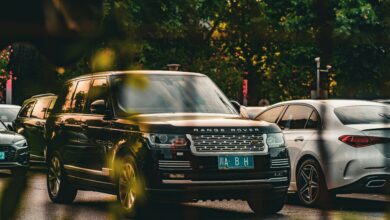
While some critics point to maintenance costs, the sheer iconic status of the Range Rover keeps its resale value surprisingly strong. There is a certain level of prestige associated with the brand that other manufacturers struggle to replicate. The design is instantly recognizable and remains a status symbol in every major city around the world. As long as the vehicle is maintained by a professional, it remains a highly desirable item on the used market.
D. Mercedes Benz and Engineering Heritage
The G-Class is perhaps the most famous example of a vehicle that defies the normal rules of automotive depreciation. Its rugged military roots and timeless boxy shape have made it a favorite among celebrities and collectors alike. Mercedes Benz also provides extensive support for their older models, which gives buyers confidence in the long-term viability of the car. This heritage of engineering excellence ensures that the brand remains a staple of high-value portfolios.
Factors That Negatively Impact Resale Worth
A. Excessive Customization and Modifications
While you might love your neon green wrap or your massive aftermarket wheels, most second-hand buyers do not share your specific taste. Heavily modified vehicles are much harder to sell because they raise questions about the quality of the work and the stress on the engine. To maintain the highest possible resale value, it is always best to keep the vehicle as close to the factory original as possible. If you must modify, ensure that all changes are completely reversible before you put the car on the market.
B. High Mileage and Poor Service History
Nothing kills the value of a luxury sport utility vehicle faster than a missing service book and six-figure mileage. Buyers in this segment are very sensitive to how a car was treated by its previous owner. A complete history of on-time oil changes and fluid flushes at a certified dealership is worth thousands of dollars at the time of sale. It proves that the owner had the financial means to care for the vehicle properly throughout its life.
C. Unpopular Color Combinations
Bold colors might be fun at the dealership, but they can be a nightmare when it is time to find a new buyer. Neutral tones like black, white, and silver remain the most popular choices in the luxury market because they are safe and professional. An unusual interior color, such as bright red or orange, can also significantly limit your pool of potential buyers. Staying with classic palettes is a proven strategy for ensuring a fast and profitable sale in the future.
D. Outdated Infotainment and Connectivity
In the modern era, a car is essentially a computer on wheels, and technology moves faster than mechanical parts. A vehicle with a slow, low-resolution screen or a lack of smartphone integration will struggle to find a buyer. As digital features become more integrated into the driving experience, old systems become a major liability. Many buyers will skip a perfectly good car simply because the navigation system looks like it belongs in the previous decade.
Strategies for Maintaining Peak Vehicle Value
A. Professional Detailing and Paint Protection
The first thing a buyer sees is the condition of the paint, and a dull, scratched finish will immediately lead to lower offers. Investing in a high-quality ceramic coating or clear bra can protect the exterior from rock chips and sun damage. Regular professional detailing ensures that the leather stays soft and the carpets remain free from stains or odors. Keeping the car in “showroom condition” is the most effective way to justify a premium asking price.
B. Utilizing Certified Service Centers
Having a stamp from a certified manufacturer service center in your maintenance book is like a gold certificate of quality. It tells the next owner that only genuine parts were used and that the technicians were specifically trained for that model. While independent shops might be cheaper in the short term, the loss in resale value often far outweighs the initial savings. A documented history of professional care is the strongest negotiating tool you can have.
C. Storing the Vehicle in a Controlled Environment
Sunlight, rain, and extreme temperature changes can cause rubber seals to crack and interior plastics to fade over time. Keeping your luxury vehicle in a climate-controlled garage protects it from the elements and keeps it looking new for much longer. It also prevents the common issue of “lot rot” where a car sits in the damp and starts to develop rust or mold. A garage-kept car is always worth more than one that has spent its life parked on the street.
D. Mindful Driving and Accident Prevention
Even a minor accident that is reported to a vehicle history database can lower the resale value by twenty percent or more. Defensive driving is not just about safety; it is about protecting your financial investment from the “accident” flag on a history report. If repairs are necessary, ensure they are done by a factory-authorized body shop that uses original equipment manufacturer parts. Keeping a clean history is the foundation of high-value automotive ownership.
Market Timing and the Selling Process
A. Selling Before the Next Generation Launch
Prices for a current model usually take a significant dip as soon as a completely new design is announced by the manufacturer. To maximize your return, it is often best to sell your vehicle when it is still part of the current production cycle. This allows the buyer to feel like they are getting a modern car rather than an outdated one. Monitoring automotive news cycles will help you time your exit from the vehicle with professional precision.
B. Identifying Seasonal Demand Peaks
Sport utility vehicles with all-wheel drive are in much higher demand during the autumn and winter months when the weather turns bad. Selling your SUV in the spring when everyone is looking for convertibles might lead to a slower sale and lower offers. By waiting for the right season, you can tap into a market where buyers are actively looking for the safety and capability of a large vehicle. This simple timing strategy can add several thousand dollars to your final sale price.
C. Preparing a Professional Sales Listing
When it is time to sell, high-quality photography and a detailed description are essential for attracting the right kind of buyer. You should take photos in soft natural light and include shots of the service records and the original keys. A transparent and honest description of the vehicle’s condition builds trust and prevents time-wasting at the viewing stage. In the luxury market, the presentation of the listing should be as premium as the vehicle itself.
D. The Value of a Private Party Sale
While trading in your car at a dealership is convenient, you will almost always get a much lower price than you would in a private sale. Dealerships need to make a profit on the resale, so they will offer you the “wholesale” value rather than the “retail” price. Taking the time to find a private buyer allows you to keep that profit for yourself. For a high-value luxury SUV, this difference can easily be five to ten thousand dollars.
Conclusion

The secret to low-cost luxury ownership is choosing a vehicle with a strong heart. Depreciation is the biggest enemy of your wealth in the automotive world today. Brands like Lexus and Porsche have proven their worth over many decades of service. A well-maintained vehicle is an asset that will always find a willing buyer. Investing in quality service is a choice that pays off at the time of sale. The secondary market is driven by trust and the reputation of the manufacturer.
Timeless design is worth more than any temporary trend or flashy technology. Protecting the exterior and interior of your car is a daily act of financial wisdom. Every decision you make as an owner affects the final value of the car. Modern buyers are smarter and have more data than ever before at their fingertips. A clean history report is the most valuable document in your glove compartment. The goal of every luxury owner should be to enjoy the ride while minimizing the loss.
Thank you for choosing to become a more informed and strategic automotive owner. The future of your portfolio depends on the quality of the assets you choose. May your next vehicle be a source of pride and a sound financial decision. The road ahead is much smoother when you know your vehicle is holding its worth.