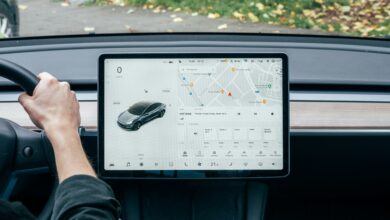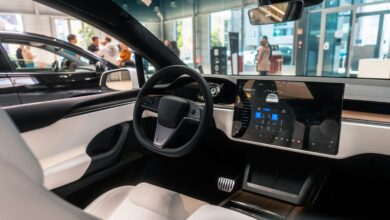
The modern automotive experience is currently undergoing a radical transformation as the vehicle evolves from a mere mechanical tool into a sophisticated, sentient companion. This shift is primarily driven by the integration of advanced Artificial Intelligence (AI) assistants that act as the digital brain of the passenger cabin. No longer are we restricted to clunky voice commands or confusing physical buttons that distract us from the road ahead. Today, AI assistants utilize natural language processing and machine learning to understand the subtle nuances of human speech and intent. These systems are designed to foster a deeper emotional and functional connection between the driver and the machine, making every journey feel more personalized and intuitive.
By analyzing vast amounts of data in real-time, from traffic patterns to the driver’s biometric signals, these assistants provide a layer of safety and convenience that was once confined to science fiction. As we move closer to a world of fully autonomous travel, the in-car AI will become the primary interface through which we experience the world outside our windows. This evolution is not just about technology; it is about reclaiming our time and ensuring that the journey is just as rewarding as the destination itself.
The Architecture of Conversational Intelligence

The most visible part of an in-car AI is its ability to talk back to you like a human being. This involves a complex stack of technologies working together to ensure the car understands exactly what you need without you having to repeat yourself.
A. Natural Language Understanding (NLU)
NLU allows the car to grasp the context behind your words, recognizing that “I’m cold” means the heater needs to be turned up. It moves beyond simple keyword matching to understand the actual intent of the passenger.
B. Acoustic Beamforming and Noise Cancellation
High-end vehicles use multiple microphones to isolate the driver’s voice from the sound of the wind, the engine, and other passengers. This ensures the AI can hear you clearly even when you are driving at high speeds on a noisy highway.
C. On-Device vs. Cloud Processing
Modern assistants use a hybrid approach where critical safety commands are processed locally for instant response. Meanwhile, complex queries about the weather or local points of interest are handled by powerful servers in the cloud.
Personalized Comfort and Ambient Intelligence
One of the greatest benefits of an AI assistant is its ability to learn your specific preferences over time. The more you drive, the better the car becomes at anticipating your needs before you even voice them.
A. Automatic Profile Recognition and Seating
As you enter the car, the AI identifies you through your smartphone or facial recognition and adjusts the seat, mirrors, and steering wheel. It also loads your favorite music playlists and navigation destinations automatically.
B. Predictive Climate and Scent Control
If the AI knows you enjoy a certain temperature in the morning, it will pre-warm or pre-cool the cabin accordingly. Some luxury vehicles even integrate aromatherapy systems that release specific scents based on the time of day or your stress levels.
C. Lighting and Visual Atmosphere Management
The AI can adjust the interior ambient lighting to match your mood or the music you are playing. This creates a cohesive sensory experience that turns a simple commute into a relaxing retreat from the outside world.
Safety Enhancement through Biometric Monitoring
Safety is the most important role for any in-car AI, and modern systems are now capable of monitoring the driver’s physical state. This proactive approach helps prevent accidents caused by fatigue, distraction, or medical emergencies.
A. Gaze Tracking and Distraction Alerts
Infrared cameras monitor your eye movements to ensure you are looking at the road. If the AI detects that your eyes have wandered for too long, it will provide a gentle audio or haptic alert to bring your focus back.
B. Drowsiness Detection and Intervention
By analyzing steering patterns and blink rates, the AI can tell if you are starting to fall asleep. It may suggest a nearby coffee shop or even blast cool air and upbeat music to keep you alert until you can pull over.
C. Stress and Heart Rate Analysis
Some advanced systems can monitor your heart rate through sensors in the seat or steering wheel. If the AI detects high levels of stress, it can activate a “calm mode” that simplifies the dashboard display and plays soothing audio.
Seamless Integration with the Digital Lifestyle
The in-car AI acts as a bridge between your vehicle and your home, office, and personal devices. This ensures that your digital life remains uninterrupted as you move from one location to another.
A. Smart Home Connectivity and Control
While driving, you can ask your car to turn on the porch lights, adjust your home thermostat, or check if you locked the front door. This integration creates a seamless flow between your private sanctuary and your mobile environment.
B. Calendar Management and Meeting Preparation
The AI can read your daily schedule and suggest the best time to leave based on current traffic. It can also summarize your upcoming meetings or read out urgent emails so you can stay productive without taking your hands off the wheel.
C. Proactive Vehicle Maintenance and Health Reports
Instead of a scary “Check Engine” light, the AI provides a detailed explanation of any technical issues in plain English. It can then schedule a service appointment at your favorite dealership and ensure the necessary parts are in stock.
Navigation and Predictive Logistics
The way we find our way through the world is being redefined by AI that understands more than just GPS coordinates. These assistants look at the big picture to ensure your route is as efficient and enjoyable as possible.
A. Contextual Destination Suggestions
If it is Friday evening, the AI might suggest your favorite Italian restaurant or the local cinema. It learns your routines and offers helpful shortcuts that save you the trouble of manual input.
B. Electric Vehicle (EV) Range and Charging Optimization
For EV owners, the AI monitors battery levels and automatically plots a route that includes high-speed charging stops. It also takes into account elevation and weather to give you a highly accurate estimate of your remaining range.
C. Real-Time Traffic and Hazard Avoidance
The AI processes data from thousands of other connected vehicles to warn you about accidents or road debris miles before you reach them. This collective intelligence allows you to bypass congestion and arrive at your destination faster.
The Role of AI in Passenger Entertainment
The passenger experience is just as important as the driver’s, and AI assistants are now focusing on keeping everyone in the car entertained and engaged. This is particularly valuable for families and long-distance travelers.
A. Individual Audio Zones and Preferences
Advanced audio systems allow the AI to play different music or podcasts for different passengers simultaneously. Using “sound curtains,” the AI ensures that the driver’s navigation prompts don’t interrupt the children’s movies in the back.
B. Interactive Gaming and Education
The AI can engage passengers in voice-based trivia games or educational lessons about the landmarks they are passing. This turns a long journey into an opportunity for learning and family bonding.
C. Augmented Reality (AR) Window Displays
Future systems will use AI to project information about the outside world directly onto the side windows. You could see historical facts about a building or a digital label for a distant mountain peak as you drive by.
Ethical Considerations and Data Privacy
As the AI collects more personal data to provide better service, the issue of privacy becomes a primary concern for manufacturers and users alike. Ensuring that your car is a safe space for your data is a top priority for the industry.
A. Local Data Encryption and Security
Sensitive information like your home address and biometric data should be encrypted and stored locally on the vehicle whenever possible. This prevents hackers from accessing your personal life through the car’s cellular connection.
B. Transparency and Consent Dashboards
Users should have full control over what data the AI is allowed to collect and share with third parties. High-end brands are now offering clear privacy settings that allow you to “opt-out” of certain data-tracking features.
C. The Human-in-the-Loop Philosophy
Technology should always be a tool that empowers the human, not one that replaces them entirely. The AI should provide suggestions and help, but the final decision on safety and navigation should always belong to the driver.
The Evolution Toward Level Four and Five Autonomy
As we move toward fully self-driving cars, the role of the AI assistant will shift from a co-pilot to a full-time chauffeur. This will change the very nature of how we design and use our vehicles.
A. Managing the Handover Process
In semi-autonomous vehicles, the AI must ensure the driver is ready to take control when the system reaches its limits. This requires clear communication and a deep understanding of the driver’s current state of readiness.
B. Reimagining the Cabin as a Living Room
When the AI is doing the driving, the steering wheel can retract, and the seats can swivel. The AI assistant then becomes the host of a mobile lounge, managing everything from the temperature to the entertainment.
C. Building Trust through Reliable Performance
The success of autonomous travel depends on the public’s trust in AI. Every successful, safe interaction between a driver and their digital assistant helps build the foundation for a fully automated future.
Enhancing Accessibility and Inclusivity
AI assistants are making travel more accessible for people who may have difficulty using traditional car controls. This inclusivity is a vital part of the social benefit of automotive technology.
A. Voice-Only Controls for the Visually Impaired
For those with limited vision, the AI provides a complete audio-based interface for managing the vehicle’s features. This allows for a much higher level of independence and confidence during travel.
B. Simplified Interfaces for the Elderly
The AI can act as a patient guide for older drivers who may find modern infotainment screens overwhelming. By using simple voice commands, they can access complex features without getting frustrated.
C. Language Support and Cultural Localization
Global car brands are ensuring their AI can speak and understand hundreds of languages and dialects. This ensures that no matter where you are in the world, your car can communicate with you in your native tongue.
The Future of Emotional Intelligence in Cars
The next frontier for in-car AI is “affective computing,” or the ability for machines to recognize and respond to human emotions. This will make the bond between the car and the owner feel even more authentic.
A. Empathy-Based Responses and Tone
If the AI detects that you are upset or frustrated, it can adjust its voice to be more soothing and helpful. It might suggest a relaxing playlist or offer to call a friend or family member for you.
B. Recognizing Non-Verbal Cues
Future cameras will be able to read facial expressions and body language to understand how you are feeling. This allows the car to adjust the environment proactively to improve your emotional well-being.
C. A Lifelong Digital Companion
As the AI follows you from one car to the next throughout your life, it becomes a witness to your personal history. This creates a unique form of brand loyalty that is based on a deep, shared understanding.
Conclusion

In-car AI assistants are fundamentally redefining the way we interact with our personal vehicles. These digital companions are transforming the act of driving into a highly personalized and intuitive journey. Safety remains the core mission of every algorithm designed to monitor the driver and the road. The seamless integration of our mobile lives into the car cabin ensures we are always connected. Predictive intelligence is the key to reclaiming the time we once lost to traffic and navigation.
Comfort is no longer just about the seats but about how the environment adapts to our needs. The bond between the human and the machine is becoming deeper through emotional and sensory cues. Privacy and data ethics must be the foundation of all future technological developments in this space. Accessibility features are opening up the joy of travel to more people than ever before in history. The transition toward fully autonomous driving is being paved by these sophisticated assistant systems. Every voice command and biometric scan is a step toward a safer and more efficient global fleet.
Innovation in natural language processing is making technology feel more human and less robotic. The cabin of the future is a living sanctuary that recognizes and respects our individual humanity. We are entering an era where our cars will know us as well as our closest friends and family. True luxury is the peace of mind that comes from having an intelligent partner by your side. The journey toward a frictionless and sentient driving experience is only just beginning for us all.