


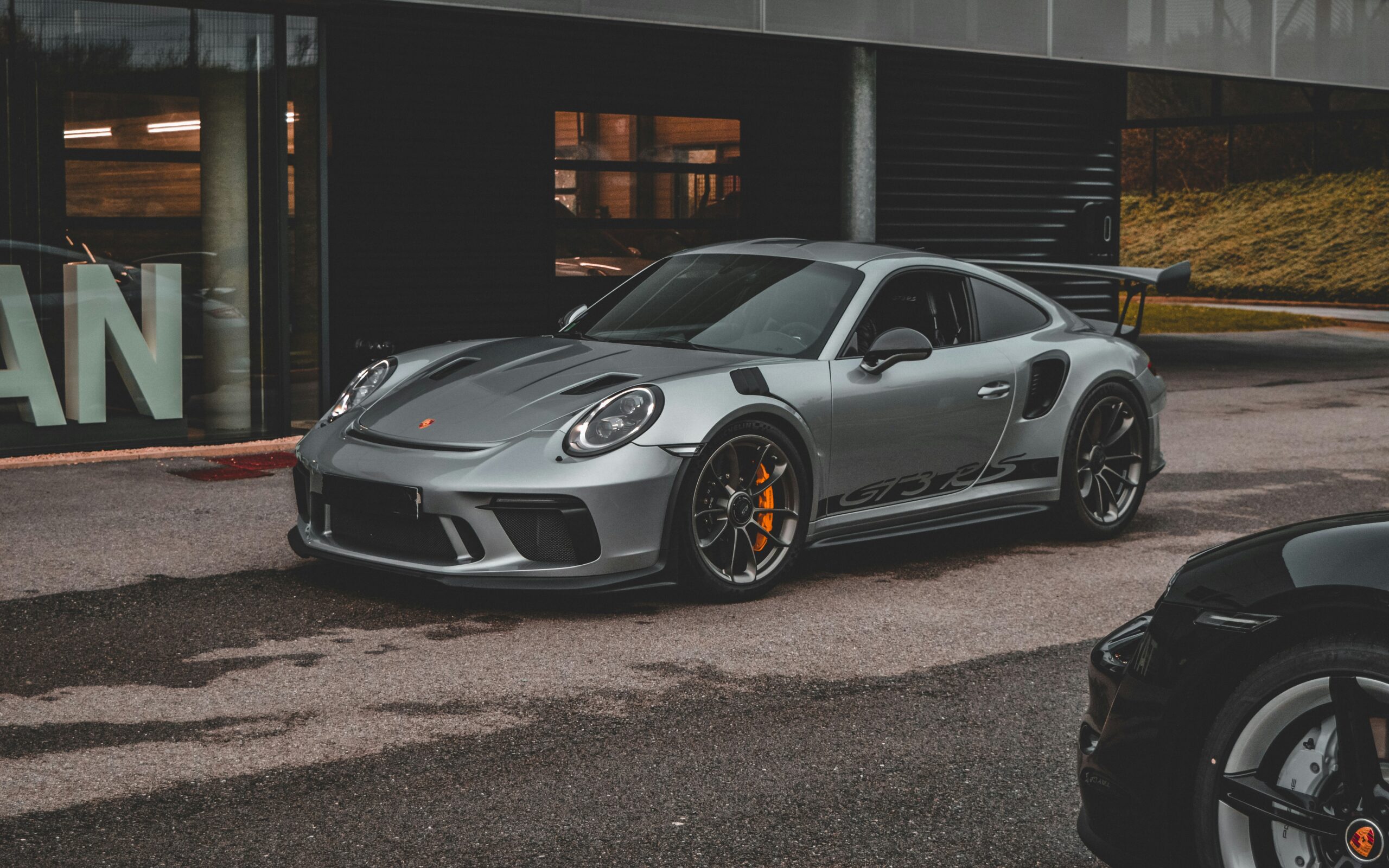
Buying a luxury car feels amazing. The leather smells new, the engine sounds incredible, and every drive feels like a small reward.
Then a few years later, you check its trade-in value and feel your stomach drop. That beautiful car might be worth a fraction of what you paid.
Depreciation hits luxury vehicles harder than almost any other segment. Many expensive sedans lose value faster than ordinary family cars.
But not every luxury or performance car follows that pattern. Some models keep their value surprisingly well, and a few even attract buyers willing to pay close to original prices.
I’ve watched plenty of owners lose big money simply because they picked the wrong model or option package. Others walked away with strong resale offers because they planned ahead.
In this guide, I’ll show you which types of luxury cars usually hold value, which ones tend to drop fast, and how to protect your money from the day you buy.
Why Luxury Cars Lose Value So Fast

Luxury cars often start with high price tags and lots of technology. That combination makes them expensive to own once the warranty ends.
The main reasons for steep depreciation include:
- A. High repair costs that scare used buyers away.
- B. Fast-changing technology that makes older models feel outdated.
- C. Lease returns flooding the used market with similar cars.
- D. Big discounts on new models that push used prices down.
- E. A smaller pool of buyers who can afford upkeep.
Lease returns play a bigger role than people realize. When thousands of three-year-old luxury sedans hit the market at once, prices fall quickly.
That’s why I’d look at depreciation as a buying opportunity too. If you love a model that drops fast, buying it used lets someone else absorb that early loss.
Models Known for Strong Resale
Certain luxury and performance cars keep buyers lining up for years. They usually share reputations for reliability, iconic design, or strong enthusiast demand.
Models often praised for strong resale include:
- A. Porsche 911, thanks to its timeless design and loyal fan base.
- B. Mercedes-Benz G-Class, which keeps a strong status appeal.
- C. Lexus LX and GX, known for durability and low ownership worries.
- D. Chevrolet Corvette, offering supercar style at a more reachable price.
- E. Limited-production performance models with small build numbers.
What connects these cars? Buyers want them used just as much as new, and many owners keep them for a long time.
Still, market conditions change. I’d always check current used listings for the exact trim and mileage you want before assuming any model is a safe bet.
Luxury Cars That Usually Drop Fast
Some vehicles lose value quickly no matter how impressive they feel on day one. Knowing these patterns helps you avoid an expensive surprise.
Types that often depreciate quickly include:
- A. Large flagship sedans with complex electronics and air suspensions.
- B. Brands with weaker reliability reputations among used buyers.
- C. High-end luxury EVs affected by fast battery and tech improvements.
- D. Models with frequent big discounts on new units.
- E. Niche luxury models with small demand in the used market.
Flagship sedans are the classic example. They cost a fortune new, yet many used buyers fear the repair bills once the warranty runs out.
If you love one of these cars, my advice is simple. Buy it lightly used, add an extended warranty if possible, and enjoy it without stressing over resale.
Specs and Options That Boost Resale
Two cars of the same model can sell for very different prices. The right specs make your car easier to sell and more attractive to buyers.
Focus on these details:
- A. Popular colors like black, white, gray, or silver.
- B. Desirable packages such as sport, premium audio, or driver assistance.
- C. Manual transmissions on certain sports cars that enthusiasts want.
- D. Low mileage compared with similar cars on the market.
- E. Classic interior colors that appeal to most buyers.
Bold colors can work for sports cars, but they shrink your buyer pool on most luxury sedans and SUVs. A bright interior may excite you and turn off the next owner.
When ordering a car, I’d ask myself one question. “Would a used buyer pay extra for this option?” If the answer is no, skip it unless you truly love it.
Maintenance and Paperwork That Protect Value
Buyers pay more for cars they can trust. Good care and clean records give them that confidence.
Protect your car’s value with these habits:
- A. Follow the service schedule at a dealer or trusted specialist.
- B. Keep every receipt in one organized folder.
- C. Use quality parts that match factory standards.
- D. Avoid heavy modifications that limit buyer interest.
- E. Fix small damage early before it turns into bigger issues.
Modifications deserve a careful look. Loud exhausts and aftermarket tuning might suit your taste, but many buyers see them as a risk.
If you do modify your car, I’d keep the original parts. Putting them back before selling often helps you get a much better offer.
A clean accident history also matters a lot. Even a well-repaired car can lose value once a crash shows up on its vehicle history report.
When and How to Sell for Top Dollar
Timing and selling method can change your final price noticeably. A little patience often pays off.
Use these tips when you’re ready to sell:
- A. Sell before major mileage milestones that buyers notice.
- B. Time seasonal cars well, such as convertibles in spring.
- C. Sell before the warranty ends to keep buyers confident.
- D. Compare dealer offers with private sale prices.
- E. Detail the car and take clear photos before listing.
Private sales usually bring more money, but they take more time and effort. Dealer trade-ins feel easier, especially when you’re buying another car.
My personal approach is to get several dealer offers first. Then I decide whether the extra money from a private sale is worth the hassle.
Conclusion

Luxury cars can lose value fast, but smart choices change that story. The model you pick matters more than almost anything else.
Cars with strong reputations, loyal fans, and lasting demand usually hold value best. Others drop quickly because of repair fears and fast-changing tech.
Fast-depreciating models aren’t always bad buys. Buying them used can let you enjoy luxury for far less money.
Specs and options shape resale too. Popular colors, useful packages, and lower mileage make your car easier to sell.
Good maintenance and clean records build buyer trust. Avoiding heavy modifications also keeps your buyer pool wide.
Timing your sale can add even more value. Selling before key mileage points or warranty expiry often brings better offers.
Before your next purchase, think about the day you’ll sell it. That small shift in mindset can save you a lot of money and still let you enjoy every mile.