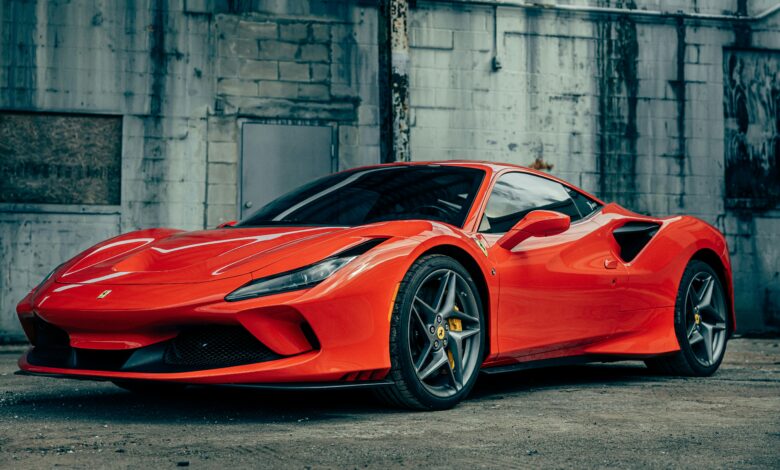
The world of high-end automotive ownership is a thrilling ride that combines the joy of performance with the prestige of a world-class brand. However, for many owners, the most stressful part of the journey isn’t the high-speed curves or the maintenance schedules, but the moment they decide to sell. Luxury vehicles are famous for their steep depreciation curves, which can eat away at your initial investment if you aren’t careful.
Yet, there is a small group of savvy collectors and enthusiasts who seem to sell their cars for a premium every single time. These individuals understand that a luxury car is not just a mode of transport; it is a high-stakes asset that requires a specific management strategy. Maximizing the resale value of a performance vehicle requires a blend of meticulous documentation, aesthetic preservation, and strategic timing. By treating your car as a rolling investment from day one, you can significantly narrow the gap between what you paid and what you get back. This article will peel back the curtain on the luxury resale market and show you exactly how to protect your equity.
The secret to a high resale price starts long before you post an advertisement online. It begins the moment the keys are handed to you at the dealership.
The Critical Role of Service Documentation

In the luxury and performance market, a car without a service history is a car with a major red flag. Buyers at this level are paying for peace of mind and the assurance that the complex machinery has been pampered.
A. Digital service records should be backed up with physical receipts for every oil change and inspection.
B. Using only authorized brand dealerships for service adds a layer of “official” credibility to the history.
C. Tracking the specific technicians who worked on the car can sometimes be a selling point for rare models.
D. Highlighting proactive maintenance, such as early fluid changes, proves you were a responsible owner.
Aesthetic Preservation and Paint Protection
A luxury car must look the part if it is going to command a top-tier price on the secondary market. First impressions are everything, and a single rock chip on the hood can lead to thousands of dollars in price negotiations.
A. Professional Ceramic Coating provides a sacrificial layer that keeps the paint looking like glass for years.
B. Paint Protection Film (PPF) is the gold standard for preventing physical damage from road debris and scratches.
C. Interior leather conditioning prevents the drying and cracking that often plagues older luxury cabins.
D. Professional detailing before a sale is a small investment that offers a massive return on perception.
Mileage Management and Driving Habits
While cars are meant to be driven, the odometer is the most influential number in the resale equation. There is a “sweet spot” for mileage that allows you to enjoy the car without scaring away potential collectors.
A. Keeping a car under five thousand miles per year often keeps it in the “low mileage” category.
B. Avoiding short trips where the engine doesn’t reach operating temperature prevents internal wear.
C. Tracking track-day usage is important, as excessive high-stress driving can lower the engine’s value.
D. Using a “daily driver” for mundane tasks preserves your luxury asset for the weekend and special events.
The Importance of Original Equipment
Modified cars might look cool at a local meet, but they almost always sell for less than their stock counterparts. Collectors and high-end buyers want the pure experience intended by the manufacturer.
A. Keeping the original exhaust system is vital even if you install a louder aftermarket version.
B. Factory wheels should be preserved in storage if you decide to upgrade to custom rims.
C. Software tunes can void warranties and create trust issues with the next potential buyer.
D. Always keep the original window sticker and every set of keys that came with the vehicle.
Timing the Market for Peak Performance
Resale value is heavily influenced by external economic factors and the release cycles of newer models. Selling at the right time can be the difference between a quick profit and a lingering loss.
A. Selling just before a new generation is announced prevents your car from looking “outdated.”
B. Convertible luxury cars see a price spike during the spring and early summer months.
C. All-wheel-drive performance SUVs are in much higher demand as the winter season approaches.
D. Monitoring enthusiast forums helps you spot when a specific model is starting to gain “modern classic” status.
Interior Care and Odor Prevention
The smell of a luxury car is part of the “vibe” that buyers are willing to pay for. Nothing destroys a resale value faster than the smell of cigarettes, pets, or spilled food.
A. Strictly forbidding smoking or vaping inside the vehicle is a non-negotiable rule for value.
B. Using high-quality floor mats protects the original carpets from salt, mud, and wear.
C. Cleaning the air conditioning system periodically prevents “musty” smells from developing in the vents.
D. Sun shades should be used whenever the car is parked outside to prevent UV damage to the dashboard.
Strategic Negotiation and Listing Platforms
Where you list your car says as much about the vehicle as the photos do. To get a high price, you need to put your car in front of people who aren’t afraid to spend money.
A. Specialty auction sites are often better for rare performance cars than general marketplaces.
B. Professional photography is mandatory to highlight the car’s lines and show off its condition.
C. Writing a narrative description that tells the story of the car builds an emotional connection with buyers.
D. Setting a firm “reserve” price ensures you don’t get bullied into a low-ball sale during a slow week.
Understanding Depreciation Curves
Different brands and models lose value at different rates. Knowing the curve for your specific car allows you to exit the investment at the most logical point.
A. Flagship luxury sedans usually have the most aggressive depreciation in the first three years.
B. Limited-edition performance models may actually appreciate if they are the last of their kind.
C. Brand reputation for reliability, such as Porsche or Lexus, creates a “floor” for the resale price.
D. Lease-end cycles often flood the market with similar cars, so try to sell outside of those windows.
The Value of an Extended Warranty
If your car is still under a transferable factory warranty, it becomes much easier to sell. A buyer is much more likely to pay a premium if they know they won’t be hit with a ten-thousand-dollar repair bill.
A. Purchasing an official manufacturer extended warranty can be a huge selling point.
B. Clear communication of the remaining warranty months adds tangible value to your listing.
C. Certified Pre-Owned (CPO) status is a powerful psychological trigger for luxury buyers.
D. Having a recent “clean bill of health” from a mechanic can act as a mini-warranty for the buyer.
Handling the Transaction Safely
Selling a high-value asset involves significant risks, from fraud to physical safety during a test drive. Managing these risks is the final step in protecting your financial return.
A. Verifying funds through a bank-to-bank wire transfer is the safest way to accept payment.
B. Conducting test drives in public places and verifying the buyer’s insurance is essential.
C. Using an escrow service for long-distance sales protects both the buyer and the seller.
D. Completing all legal title transfer paperwork immediately prevents future liability issues.
Conclusion

Owning a luxury car should be a source of pride rather than a source of financial stress. The key to a high resale price is consistent and proactive management from day one. Treating your vehicle like a high-value asset ensures that it remains desirable for years.
The market rewards those who pay attention to the small details and the big records. A clean history and a clean exterior are your two best weapons in any price negotiation. Never underestimate the power of a well-documented life for a performance machine. By following these steps you can enjoy the drive and the eventual sale with confidence. Wealth is built by managing what you own with the same intensity as how you earn. Your car is a reflection of your standards as a collector and an enthusiast. Drive with passion but manage your investment with a cool and calculated mind.