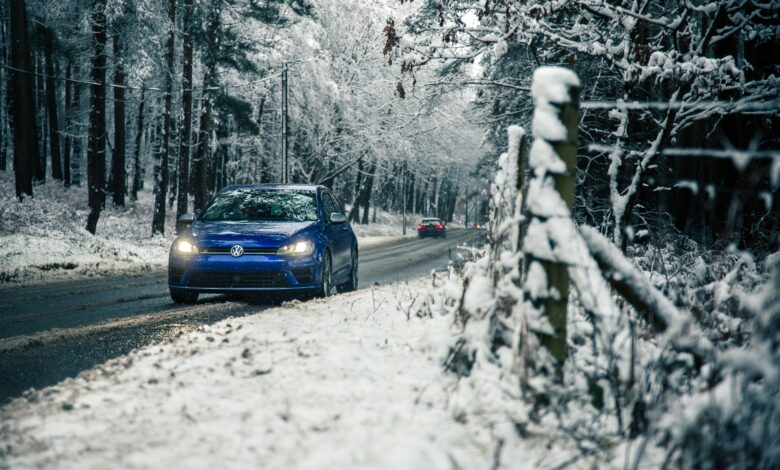
The arrival of winter often brings a unique set of challenges for owners of electric vehicles (EVs), primarily concerning the noticeable reduction in driving range. Unlike internal combustion engines that generate vast amounts of waste heat to keep the cabin warm, an electric vehicle must use its precious battery energy to create every bit of warmth you feel. This fundamental difference in thermal management means that as the mercury drops, the efficiency of your vehicle’s energy storage system is put to a rigorous test. Furthermore, the chemical reactions inside lithium-ion battery cells naturally slow down in freezing temperatures, increasing internal resistance and limiting the battery’s ability to accept and discharge power. Most drivers notice that their estimated range can drop by twenty to forty percent during a deep freeze, leading to significant range anxiety for those with long commutes.
However, this loss is not permanent, nor is it a sign of a failing battery; it is simply a physical reality of the technology we use today. By understanding the science of thermal energy and adopting a few strategic habits, you can reclaim much of that lost mileage and drive with confidence even in the snow. This comprehensive guide will explore the most effective ways to optimize your EV’s performance when the world turns white. Mastering these cold-weather tactics is the key to ensuring your sustainable journey remains uninterrupted throughout the entire year.
The Science of Battery Chemistry in the Cold

To effectively manage your range, you first need to understand why cold weather is such a difficult environment for lithium-ion batteries. It is all about the movement of ions through the liquid electrolyte inside each individual cell.
A. Increased Electrolyte Viscosity and Ion Resistance
When the battery gets cold, the liquid electrolyte becomes thicker and more like syrup than water. This makes it harder for lithium ions to travel between the anode and cathode, which shows up as a loss in total available power.
B. Reduced Capacity for Regenerative Braking
A cold battery cannot accept high rates of energy as quickly as a warm one. You might notice that your car’s regenerative braking feels much weaker on a winter morning because the battery is protecting itself from damage.
C. Voltage Sag and Power Delivery Limits
Under heavy acceleration in the cold, the battery voltage can “sag” more than usual. This leads the car’s computer to limit the total power output to prevent the cells from dropping below a dangerous voltage threshold.
The Power of Pre-Conditioning While Plugged In
The single most effective way to save range in the winter is to heat your car while it is still connected to the grid. This process, known as pre-conditioning, uses electricity from your house rather than your car’s battery to prepare for the journey.
A. Warming the Cabin and the Battery Pack
Most modern EVs allow you to schedule a departure time via a smartphone app. This tells the car to start the heater and, more importantly, the battery heater, so everything is at an optimal temperature the moment you unplug.
B. Preserving Battery State of Charge for Driving
By reaching a comfortable cabin temperature using wall power, you don’t have to blast the heater for the first ten miles of your drive. This simple habit can save five to ten percent of your total battery capacity for actual movement.
C. Improving Battery Efficiency from the Start
A warm battery is a happy battery that can provide full power and accept full regeneration immediately. Starting your drive with a warm pack eliminates the “sluggish” feeling many EVs have in the freezing cold.
Strategic Use of In-Cabin Heating Systems
The way you heat the interior of your car has a massive impact on how much energy is being drained from the battery. Conventional heaters are quite inefficient, but modern technology and a bit of common sense can help you stay warm without wasting miles.
A. Utilizing Heat Pump Technology Over Resistive Heaters
If your EV is equipped with a heat pump, it can be up to three times more efficient than a standard electric heater. Heat pumps move heat from the outside air into the cabin, even when it feels quite cold outside.
B. Prioritizing Heated Seats and Steering Wheels
Heating your body directly via the seats and steering wheel uses significantly less energy than heating the entire volume of air in the cabin. If you are driving alone, turn down the main climate control and rely on these “surface heaters” to stay cozy.
C. The Benefits of Recirculation Mode
Once the cabin is warm, switch your climate control to “recirculate” so the car doesn’t have to constantly heat fresh, freezing air from the outside. This helps maintain a stable temperature with much less effort from the heating system.
Driving Habits for Maximum Winter Efficiency
The way you drive in the winter should be slightly different than your summer habits if you want to stretch your range to the limit. Smoothness and conservation of momentum are your best friends when the roads are icy and the air is dense.
A. Maintaining Moderate and Consistent Speeds
Cold air is much denser than warm air, which increases aerodynamic drag significantly at high speeds. Slowing down by just five or ten miles per hour on the highway can compensate for a large portion of the cold-weather range loss.
B. Gradual Acceleration and Early Deceleration
Sudden bursts of power put a high load on a cold battery and can also cause tires to slip on icy patches. Gentle acceleration keeps the battery temperature stable and ensures you maintain better traction on the road.
C. Optimizing Regenerative Braking Levels
If the roads are clear but cold, use the highest level of regeneration to capture every bit of energy possible. However, if the roads are slippery, you may want to reduce the regen level to prevent the wheels from locking up unexpectedly.
Tire Pressure and Rolling Resistance
Many drivers forget that tire pressure drops as the temperature falls, which can have a major negative impact on your EV’s efficiency. Keeping your tires at the correct pressure is one of the easiest ways to optimize your winter range.
A. Adjusting Pressure for the Winter Season
For every ten degrees the temperature drops, your tire pressure can decrease by about one pound per square inch (PSI). Low tire pressure increases the rolling resistance, making the motor work harder and drain the battery faster.
B. Selecting Low-Resistance Winter Tires
If you live in an area with heavy snow, dedicated winter tires are essential for safety, but choose ones designed for EVs. Some winter tires have high rolling resistance, so look for models that balance grip with energy efficiency.
C. Monitoring the Impact of Snow and Slush
Driving through deep snow or slush requires a lot more energy than driving on dry pavement. The physical resistance of pushing through frozen water can eat into your range just as much as the cold air does.
Charging Strategies for Freezing Temperatures
Charging your EV in the winter requires a bit more patience and planning than it does in the summer. A cold battery will not charge at its maximum speed, and you need to know how to help it along.
A. Pre-Heating the Battery Before DC Fast Charging
Many EVs will automatically heat the battery if you set a fast-charging station as your destination in the navigation system. This ensures the pack is warm enough to accept the highest possible charging speed when you arrive.
B. Charging Immediately After a Long Drive
The battery is naturally at its warmest right after you have been driving for a while. If you need to charge, do it at the end of your trip rather than waiting until the next morning when the battery has cold-soaked overnight.
C. Leaving the Car Plugged In Overnight
Even if you aren’t charging, leaving the car plugged in allows the thermal management system to use grid power to keep the battery from freezing. This prevents the “vampire drain” that occurs when the car has to use its own battery to stay warm.
Aerodynamics and Winter Accessories
Everything you add to the outside of your car in the winter can disrupt the airflow and reduce your efficiency. Being mindful of your car’s physical profile can help you save a few extra miles on every trip.
A. Removing Roof Racks and External Cargo Boxes
If you aren’t using your ski rack or roof box, take it off for the winter. The added drag is much more significant in the dense winter air and can lead to a five percent drop in range all on its own.
B. Cleaning Snow and Ice Off the Entire Vehicle
Don’t just clear a small hole in the windshield; remove all the snow from the roof and hood of the car. Extra weight and a jagged, snowy surface significantly increase the energy needed to move the car through the air.
C. The Impact of Using Eco-Mode
Most EVs have an “Eco” or “Winter” mode that softens the throttle response and limits the power sent to the climate control. Using this mode is a simple way to let the car’s computer manage your efficiency for you.
Planning for the Unexpected in Winter
Winter travel carries more risk than summer travel, and your planning should reflect the possibility of delays or road closures. Always leave yourself a larger “buffer” of energy than you think you will need.
A. The Importance of a Twenty Percent Buffer
In the summer, arriving at a charger with five percent battery might be fine, but in the winter, aim for twenty percent. If you get stuck in a traffic jam due to an accident, you will need that extra energy to keep the heater running.
B. Mapping Out Alternative Charging Stops
Cold weather can cause some charging stations to malfunction or operate at reduced speeds. Always have a “Plan B” station in mind along your route in case your primary choice is unavailable or occupied.
C. Carrying an Emergency Winter Kit
Keep a warm blanket, extra gloves, and some snacks in the car. If the worst happens and you run out of power, these items will keep you safe and warm while you wait for a tow or assistance.
Understanding Long-Term Battery Health in Winter
While the range loss in winter is annoying, it is important to remember that cold weather is actually quite good for the long-term chemical health of your battery. Heat is the real “battery killer,” while the cold simply puts it into a temporary state of hibernation.
A. Reduced Chemical Degradation Rates
Lithium-ion batteries degrade much more slowly in cool environments than in hot ones. A car that spends its life in a cold climate will likely have a healthier battery after ten years than one kept in the desert.
B. The Safety of Modern Battery Management Systems (BMS)
Your car’s BMS is incredibly sophisticated and will prevent you from doing anything that would permanently damage the cells in the cold. It will limit charging speeds and power output automatically to ensure the battery’s longevity.
C. The Concept of “Winter Capacity” Recovery
As soon as the weather warms up in the spring, your lost range will return almost immediately. There is no “permanent” damage caused by the cold; your battery is simply reacting to the laws of physics and chemistry.
The Future of Winter EV Technology
Engineers are working hard to make the next generation of electric vehicles even better in the cold. We are already seeing massive improvements in how cars handle the winter compared to just a few years ago.
A. Solid-State Battery Breakthroughs
Future solid-state batteries are expected to be much less sensitive to temperature changes than current liquid-based cells. This could eventually eliminate the “winter range drop” almost entirely for future drivers.
B. More Advanced Infrared Heating Systems
Instead of heating the air, future cars might use infrared panels to heat the passengers directly. This is a much more efficient way to provide comfort and could save a significant amount of battery energy.
C. Better Integrated Thermal Loops
Manufacturers are finding clever ways to use heat from the electric motor and the power electronics to warm the battery and the cabin. This “waste heat recovery” is a key part of making EVs more efficient in the coming years.
Conclusion

Optimizing your electric vehicle for the winter is a matter of preparation and smart decision-making. The physical reality of battery chemistry means that some range loss is inevitable during the coldest months. Pre-conditioning your vehicle while it is still plugged in is the most powerful tool for saving energy. Prioritizing heated seats over the main cabin heater is a simple way to extend your driving range. Dense winter air and low tire pressure create significant drag that can be managed with a few adjustments.
Charging requires more planning to ensure the battery is warm enough to accept a fast electrical intake. Safety should always come first, so never be afraid to use the heater if you genuinely feel cold. Leaving a larger energy buffer ensures that you are prepared for unexpected traffic or road closures. Smooth driving habits are not only more efficient but also much safer on snowy and icy surfaces. The cold weather is actually beneficial for the long-term chemical stability of your battery pack.
Technology like heat pumps is making the modern electric car much more resilient to extreme weather. Future battery designs promise to make the winter range drop a thing of the past for all travelers. Understanding your vehicle’s specific winter behavior will turn range anxiety into a manageable routine. Small changes in your daily habits can add up to dozens of extra miles over the course of the season. The joy of driving electric remains even when the temperature drops well below the freezing point. Sustainable transportation is a year-round reality that is only getting better with every passing year.