The rapid transformation of the automotive industry has turned the modern vehicle into a highly sophisticated, rolling data center. While the integration of internet connectivity and advanced software has brought unprecedented convenience, it has also opened a new frontier for digital vulnerabilities. Today’s cars are equipped with millions of lines of code, managing everything from engine performance to infotainment and autonomous driving features. This hyper-connectivity means that vehicles are no longer isolated mechanical machines but are instead active nodes within the global Internet of Things (IoT) ecosystem. As a result, the threat of cyberattacks has moved from the realm of theory into a critical reality for manufacturers and owners alike.
A single security breach could potentially allow unauthorized access to sensitive personal data or, more alarmingly, the physical control systems of the vehicle itself. Protecting these “smart” cars requires a multi-layered defense strategy that combines robust encryption, real-time threat monitoring, and secure hardware architecture. As we rely more on cloud-based services and vehicle-to-everything (V2X) communication, the importance of cybersecurity becomes the foundation of passenger safety. This article explores the essential methods and technologies used to keep our connected vehicles safe from the evolving landscape of global cyber threats.
Understanding the Modern Automotive Attack Surface

To protect a vehicle, we must first understand the various entry points that hackers can exploit to gain access to the system. The “attack surface” of a connected car is vast and includes both physical and wireless connections.
A. Infotainment and Telematics Units
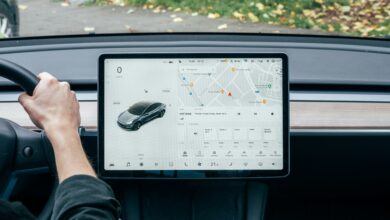
The dashboard screen and the communication module are the most common targets because they are directly connected to the internet. Hackers can use vulnerabilities in web browsers or Bluetooth connections to bridge into the car’s more critical systems.
B. The Controller Area Network (CAN Bus)
The CAN bus is the internal nervous system that allows different parts of the car to talk to each other. If a hacker gains access to this network, they can potentially send fake commands to the brakes, steering, or engine.
C. On-Board Diagnostics (OBD-II) Ports
While designed for mechanics, the OBD-II port provides a direct physical link to the car’s computer. Unauthorized plug-in devices can be used to inject malicious software or bypass security protocols.
The Role of End-to-End Encryption
Encryption is the first line of defense in ensuring that any data sent to or from the car remains private and unaltered. It prevents “man-in-the-middle” attacks where a hacker intercepts communication between the car and the manufacturer’s server.
A. Secure Communication with Cloud Services
Every time your car checks for a software update or downloads a map, the data must be encrypted using high-level protocols. This ensures that only the intended recipient can read the information being transmitted.
B. Authentication of Remote Commands
When you use a smartphone app to unlock your car or start the engine, the car must verify the command’s authenticity. Strong cryptographic keys prevent hackers from “spoofing” these signals to steal the vehicle.
C. Protecting Internal Component Data
Modern security involves encrypting the data moving between sensors and the central processor within the car itself. This makes it much harder for a local attacker to manipulate individual safety features like the airbags or ABS.
Hardware Security Modules (HSM)
Relying on software alone is often not enough; the most secure vehicles use dedicated hardware chips to protect sensitive information. These modules act as a “safe” within the car’s computer system.
A. Secure Storage of Cryptographic Keys
The HSM stores the digital keys used for encryption in a physical area of the chip that is isolated from the rest of the system. This prevents hackers from extracting the keys even if they gain control of the main software.
B. Secure Boot Processes
During start-up, the HSM checks the digital signature of the car’s software to ensure it hasn’t been tampered with. If the software doesn’t match the official manufacturer signature, the car will refuse to boot up.
C. Hardware-Based Random Number Generation
True randomness is essential for creating unbreakable encryption keys. Hardware modules generate these numbers based on physical processes, making them far more secure than software-based generators.
Network Slicing and System Isolation
A core principle of automotive cybersecurity is “compartmentalization,” which ensures that a breach in one system does not lead to a total vehicle takeover. This is similar to the way a ship has watertight compartments to prevent sinking.
A. Separating Infotainment from Critical Controls
The system that plays your music should never be able to send commands to the braking system. By physically or logically separating these networks, manufacturers create a vital safety barrier.
B. Firewall Implementation Between Modules
Internal firewalls monitor the traffic moving between different parts of the car’s network. They are programmed to block any unusual or unauthorized communication patterns immediately.
C. Gateway Protection for External Links
A central gateway acts as the “security guard” for all incoming data from the outside world. It inspects every packet of data for malicious intent before allowing it to reach any internal systems.
Real-Time Intrusion Detection Systems (IDS)
Prevention is important, but a modern car also needs the ability to detect and respond to an attack while it is happening. Intrusion Detection Systems act like an “alarm system” for the car’s digital network.
A. Monitoring for Anomalous Behavior
If the engine computer suddenly starts receiving steering commands while the car is parked, the IDS flags this as suspicious. It can then alert the manufacturer or put the car into a safe “limp mode.”
B. Signature-Based Threat Detection
The system compares incoming data against a database of known malware and hacking techniques. This allows the car to block recognized threats before they can execute.
C. Heuristic and AI-Driven Analysis
Advanced systems use Artificial Intelligence to learn the “normal” behavior of the car and its driver. Anything that falls outside of this baseline is treated as a potential security risk.
Secure Over-the-Air (OTA) Updates
The ability to update a car’s software wirelessly is a powerful tool for fixing security bugs quickly. However, the update process itself must be protected to prevent hackers from sending malicious code.
A. Digital Signatures for Software Packages
Manufacturers sign every software update with a unique digital certificate. The car’s computer verifies this signature before installing the update to ensure it came from the official source.
B. Rollback Protection Mechanisms
Hackers sometimes try to force a car to install an older, vulnerable version of software. Rollback protection ensures the car only accepts newer, more secure versions of its operating system.
C. Redundant Update Storage
During an update, the car keeps a copy of the old software in its memory. If anything goes wrong during the installation, the car can instantly switch back to the safe, previous version.
Protecting Vehicle-to-Everything (V2X) Links
As cars begin to talk to traffic lights, other vehicles, and pedestrians, the security of these short-range connections becomes paramount. V2X communication must be both fast and incredibly secure to be effective.
A. Pseudonym Certificates for Privacy
To prevent tracking, cars use temporary digital “pseudonyms” when communicating with the infrastructure. This allows the system to verify the car is legitimate without revealing the owner’s identity.
B. Trust Management in V2X Networks
The network must be able to identify and ignore “bad actors” who are sending false information about traffic or accidents. A centralized trust authority manages the digital credentials of every participant.
C. Low-Latency Encryption for Safety
V2X security must be fast enough to work in split-second emergency situations. Specialized chips are used to encrypt and decrypt these messages in milliseconds without slowing down the safety response.
The Importance of Supply Chain Security
A car is made of parts from hundreds of different suppliers, and each one of those parts could potentially contain a “backdoor” or a vulnerability. Securing the supply chain is a massive logistical challenge.
A. Vetting Third-Party Software Libraries
Manufacturers must carefully audit every piece of code provided by outside vendors. This ensures that no “open-source” vulnerabilities are accidentally included in the car’s final software.
B. Hardware Provenance and Integrity
Steps are taken to ensure that the physical chips haven’t been swapped for malicious versions during manufacturing. This involves secure tracking and physical anti-tamper evidence on the components.
C. Continuous Vulnerability Disclosure Programs
Many car companies now run “bug bounty” programs where they pay ethical hackers to find and report security flaws. This helps find and fix problems before they can be exploited by criminals.
User Awareness and Personal Digital Hygiene
While manufacturers do most of the heavy lifting, the owner of the vehicle also plays a role in its digital security. Good habits can prevent many common types of unauthorized access.
A. Using Strong Authentication for Mobile Apps
Your car’s smartphone app should always be protected with biometrics or two-factor authentication. This prevents a stolen phone from becoming a “universal key” to your vehicle.
B. Managing Third-Party App Permissions
Be careful about which apps you allow to access your car’s data via its infotainment system. Some apps may request more information than they need, creating a potential privacy risk.
C. The Dangers of Third-Party OBD-II Dongles
Cheap, unbranded devices plugged into the diagnostic port can be a major security risk. Always use reputable hardware if you are using a tracker or a performance monitoring tool.
The Future of Automotive Cyber Resilience
As hacking techniques become more advanced, the automotive industry is looking toward new technologies like blockchain and quantum-resistant encryption to stay ahead.
A. Blockchain for Secure Data Logging
Blockchain can create a permanent, unchangeable record of every software update and maintenance event. This ensures the car’s history is transparent and cannot be falsified by a hacker.
B. Quantum-Resistant Cryptography
With the rise of quantum computers, traditional encryption may one day be broken. Engineers are already working on new mathematical problems that even the most powerful computers cannot solve.
C. Autonomous Response and Self-Healing
Future cars may be able to detect a breach and “re-write” their own code to block the attacker in real-time. This level of autonomy would allow the car to remain safe even if it loses its connection to the manufacturer.
Conclusion

Cybersecurity is the new frontier of safety in the age of the connected electric vehicle. Every line of code in a car must be treated as a potential entry point for a digital threat. Manufacturers are building multi-layered defenses that combine secure hardware with real-time software monitoring. Encryption ensures that your personal data and your car’s controls remain in the right hands. Isolating the infotainment system from the driving controls is a vital safety standard for all smart cars.
Over-the-air updates allow companies to fix vulnerabilities before they can be used by malicious actors. The security of the global automotive supply chain is essential for preventing backdoors in our vehicles. Users must play their part by securing their mobile apps and being careful with third-party devices. The goal is to create a vehicle that is not just “connected” but also “resilient” to any digital attack. Innovation in artificial intelligence is helping cars detect and block threats faster than a human ever could.
Privacy and safety are two sides of the same coin in the world of modern automotive engineering. As we move toward fully autonomous travel, our trust in the car’s digital shield will be paramount. International standards are being developed to ensure that cybersecurity is consistent across all brands. The transition to a software-defined vehicle requires a permanent commitment to digital vigilance. A secure car provides the peace of mind needed to fully enjoy the benefits of modern technology. Protecting our rolling computers is a journey that will continue for as long as we are on the road.